Place + Patterns
Light, grade, drainage, existing trees, views, utilities, and daily movement reveal where productive planting can work naturally.
We plan productive landscapes that bring useful plants into the life of a property—considering food, beauty, soil, water, access, wildlife pressure, and long-term care together.
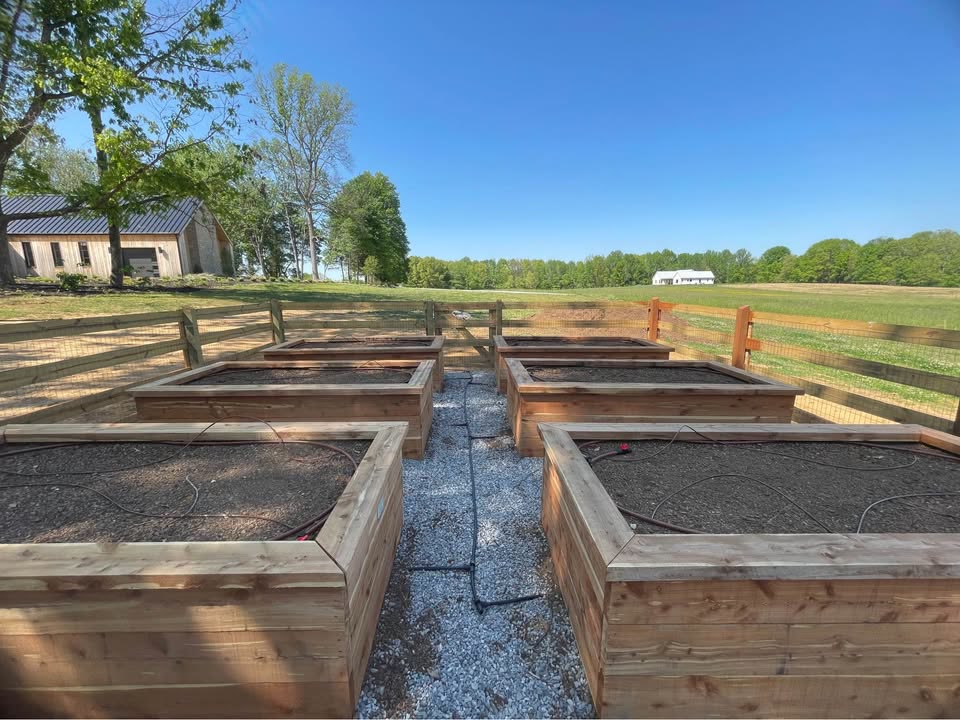
Edible landscaping—often called foodscaping—uses food-producing plants as intentional parts of a home landscape. Depending on the property, that may include herbs, vegetables, berries, fruit trees, perennial edibles, pollinator plants, or a dedicated growing area connected to the larger land plan.
Avodah begins with the property rather than a plant list. Sun, slope, drainage, existing vegetation, circulation, water, wildlife, and the household’s desired level of tending determine what belongs and where it can thrive.
Light, grade, drainage, existing trees, views, utilities, and daily movement reveal where productive planting can work naturally.
Annual crops, herbs, berries, vines, shrubs, and fruit trees can be arranged according to space, harvest goals, and the character of the property.
Existing soil, compaction, organic matter, runoff, and root competition inform preparation, amendment, and planting decisions.
Water access and irrigation are considered early so new planting has a practical path to establishment and seasonal care.
Paths, edges, reach, work areas, and harvest routes help productive areas remain usable instead of becoming difficult to tend.
Wildlife pressure, fencing, plant maturity, maintenance capacity, and future additions shape a realistic sequence for the work.
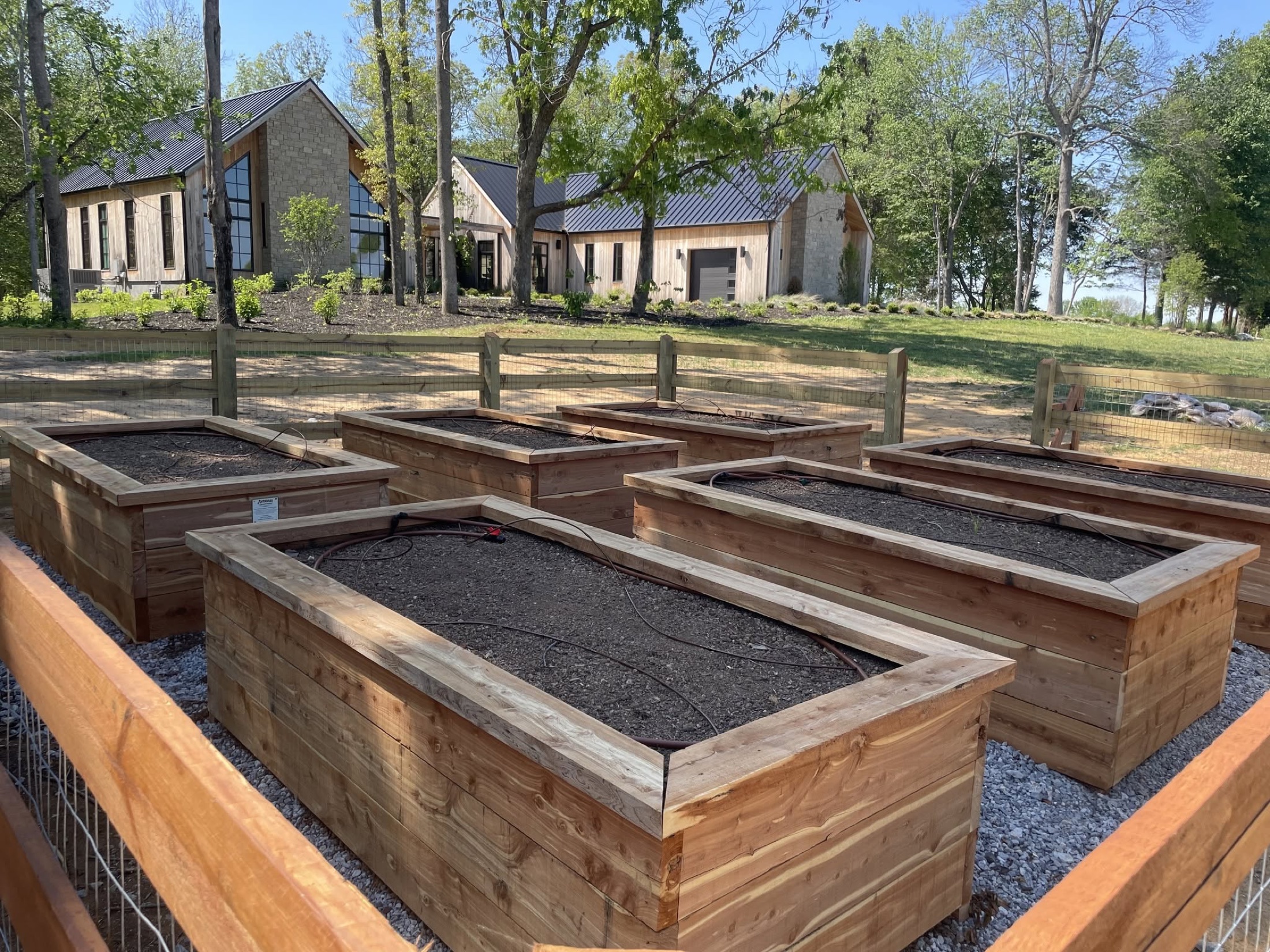
Avodah’s existing work joins planting space, cedar beds, paths, gates, trellises, water, and the surrounding property. An edible-landscape plan can begin with one useful area or guide a longer sequence of cultivation.
See selected garden workWe listen to what you hope to grow, how you use the property, and what level of tending fits the household.
We study light, land, soil, water, access, existing plants, wildlife pressure, and the relationship to the home.
Planting areas, supporting garden elements, preparation, water, protection, and an appropriate sequence are brought into a clear direction.
Avodah installs the agreed site and garden elements with attention to establishment, practical access, and the surrounding property.
Seasonal coaching or stewardship support can help the household establish rhythms for tending, harvest, renewal, and soil care.
Avodah serves Nashville, Brentwood, Franklin, Nolensville, Arrington, Leipers Fork, Williamson County, Davidson County, and nearby Middle Tennessee communities.
Every property has a different combination of sun, soil, water, wildlife, existing landscape, and available care. The first useful phase should be sized around those realities rather than a generic planting formula.
Edible landscaping places useful food-producing plants within an intentional landscape plan. It may combine annual crops, herbs, berries, vines, fruit trees, perennial edibles, flowers, paths, water, and garden structures according to the property.
Foodscaping is another term for designing food-producing plants into the landscape. The goal is not to hide a vegetable garden, but to make productive planting a coherent and useful part of the property.
No. A plan can retain healthy, useful existing features and add productive areas where light, access, soil, water, and household goals support them. Work can also be phased over time.
The level of care depends on the plants, scale, season, wildlife pressure, and how much harvesting and pruning the household wants to manage. Avodah considers ongoing care while establishing the scope.
Yes. Water access and irrigation can be planned with productive planting so establishment and seasonal watering are more consistent and orderly.
Wildlife pressure is considered during planning. Depending on the site and planting, appropriate responses may include plant selection, placement, fencing, gates, or other protection.
Avodah serves Nashville and communities across Middle Tennessee, including Brentwood, Franklin, Nolensville, Arrington, Leipers Fork, Williamson County, and Davidson County.
Tell us about the property, what you hope to grow or harvest, the existing landscape, and the kind of stewardship rhythm you want to establish.
Tell us about your garden